Thai butter cake recipe brings a mellow richness and soft crumb that many home bakers enjoy recreating. This Thai butter cake recipe reflects my passion for discovering new things, a passion that has grown into my real job.
I created this guide to offer a dependable version meant for anyone who enjoys gentle sweetness and a tender texture. My aim is to share a method that feels calm, friendly, and achievable for all.
I am now presenting the steps in an easy flow along with serving ideas, tips, health benefits, and extra delicious ways to make it, variations, preservation guidance and common answers.
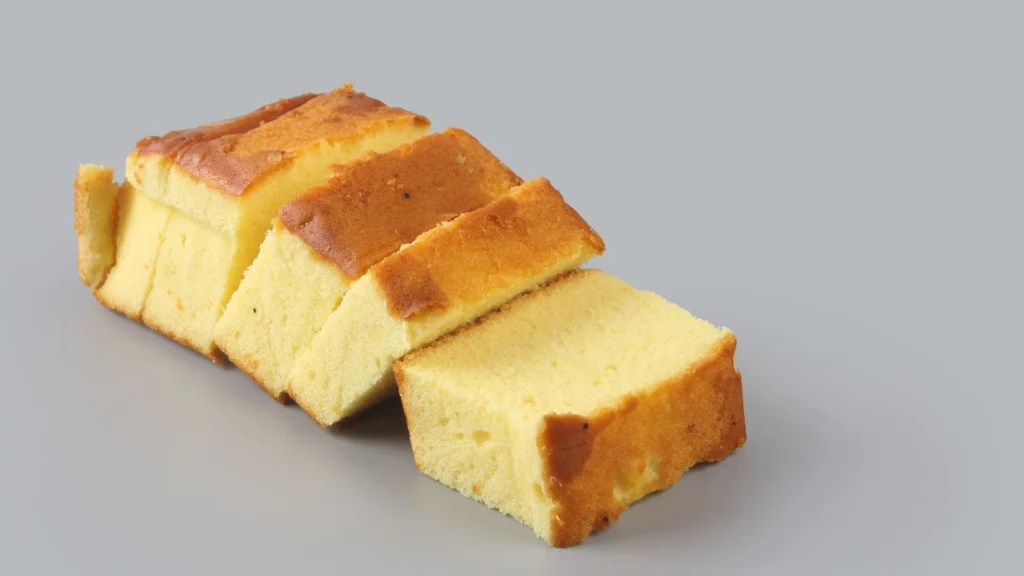
Thai butter cake recipe offers a soft, tender texture that melts gently in the mouth. Butter provides a creamy richness, while sugar adds a gentle sweetness that enhances without being heavy.
How To Prepare Thai Butter Cake Recipe?
Recipe Overview
Preparation Time: 15 minutes
Baking Time: 45 minutes
Total Time: About 1 hour
Course: Dessert
Difficulty: Easy
Cuisine: Thai
Yield: 1 loaf cake
Kitchen Utensils Needed
- Mixing bowls
- Electric mixer or hand whisk
- Spatula
- Sieve
- Measuring cups/spoons or digital scale
- Loaf pan
- Baking paper
- Cooling rack
Ingredients
- 168 g unsalted butter, softened
- 145 g icing sugar (powdered sugar)
- 4 large eggs, room temperature
- 188 g all-purpose flour
- 5 g baking powder
- 80 g milk
- ¼ teaspoon salt
- 1 tablespoon fresh lemon juice
- 1 teaspoon vanilla essence
Instructions
1. Prepare the pan and dry ingredients.
Line your cake pan with baking paper and lightly grease the sides. Sift the flour, baking powder, and salt together in a bowl. Set aside.
2. Cream the butter and sugar.
In a large mixing bowl, beat the softened butter with icing sugar until pale, fluffy, and creamy. This step adds air to the batter, giving the cake a soft crumb.
3. Add the eggs one by one.
Beat in the eggs individually, mixing well after each addition to avoid curdling. Mix in the vanilla essence and lemon juice until combined.
4. Add the dry ingredients and milk.
Fold in half of the sifted flour mixture using a spatula. Pour in the milk and mix gently. Add the remaining flour and fold just until smooth do not over mix.
5. Bake the cake.
Pour the batter into the prepared pan and smooth the top. Bake in a preheated oven at 170°C (338°F) for 40–45 minutes or until the center springs back and a toothpick comes out clean.
6. Cool and serve.
Let the cake cool in the pan for 10 minutes, and then transfer it to a rack to cool completely. Slice and serve warm or at room temperature.
Note: For extra fragrance, some Thai bakers add a few drops of panda essence or use Thai sweetened condensed milk brushed over the top when warm. You can also reduce the lemon juice if you prefer a pure buttery taste.
Nutrition Facts Of Thai Butter Cake Recipe
| Nutrition | Amount |
|---|---|
| Calories | 235 |
| Fat | 13 g |
| Carbohydrates | 26 g |
| Protein | 4 g |
| Sugar | 15 g |
Why Peoples Like Thai Butter Cake Recipe?
People enjoy Thai butter cake recipe because it delivers a soft, tender texture that feels light and comforting. The gentle sweetness blends naturally with creamy butter, while subtle notes of vanilla and a touch of lemon add freshness and depth.
The Thai butter cake recipe remains moist and delicate, making it easy to eat and share. Its mild flavor appeals to a wide range of tastes, and the fragrant aroma enhances the experience.
The comforting texture and balanced flavors create a sense of warmth and homely charm that draws people to it repeatedly.
Why My Recipe Works
Your Thai butter cake recipe works because it balances key elements that create a soft, tender cake while keeping flavors gentle and appealing.
Creaming the butter and sugar properly incorporates air, giving the cake a light, airy texture. Gradually adding eggs and alternating dry ingredients with milk prevents curdling and ensures an even batter.
Sifting the flour and baking powder produces a fine crumb, while lemon juice and vanilla enhance flavor subtly without overwhelming.
Baking at a consistent temperature allows the Thai butter cake recipe to rise evenly, creating a golden crust and soft interior every time.
My Favorite Ways to Serve it Up
My favorite ways to serve Thai butter cake recipe start with enjoying it slightly warm, sliced and paired with a cup of tea or coffee for a cozy, comforting treat.
Brushing a thin layer of condensed milk or honey over the top adds extra sweetness and a glossy finish. Lightly toasting slices brings out a subtle caramelized flavor, while spreading a little butter or fruit jam creates a soft, indulgent topping.
Serving it alongside fresh fruit or a dollop of whipped cream adds freshness and contrast, making the cake feel both simple and special.
When To Serve
Thai butter cake recipe can be served at any time that calls for a comforting treat. It works well for breakfast or brunch, accompanied by tea or coffee.
Afternoon gatherings or casual tea breaks are excellent moments to enjoy its soft, tender texture. It can also be part of a dessert spread after lunch or dinner.
Warm slices fresh from the oven provide a cozy, inviting experience, while chilled pieces are refreshing for warmer days. Special occasions, small celebrations, or simple moments of indulgence all suit serving this cake.
Health Benefit
Thai butter cake recipe provides a modest source of energy from carbohydrates and fats, helping to fuel daily activities. Eggs contribute protein, supporting muscle maintenance and repair, while milk adds calcium for bone health.
The use of real butter provides fat-soluble vitamins such as A, D, E, and K in small amounts. When eaten in moderation, it can satisfy sweet cravings without relying on highly processed snacks.
Sharing small portions can also encourage mindful eating and portion control, making Thai butter cake recipe a treat that nourishes both body and spirit while offering a comforting, homemade experience.
Top Baking Tips
1. Always bring eggs, butter, and milk to room temperature before mixing. This helps ingredients blend smoothly and creates a soft, even texture.
2. Sift flour, baking powder, and salt together. This prevents lumps and ensures the cake rises evenly.
3. Cream butter and sugar until light and fluffy. This incorporates air, giving the cake a tender, airy crumb.
4. Add eggs one at a time, mixing gently after each addition to avoid curdling.
5. Fold in flour carefully, alternating with milk. Over mixing can make the cake dense.
6. Preheat the oven fully and avoid opening the door while baking. This keeps temperature steady for even rising and browning.
Best Variations
➤ Coconut Thai Butter Cake: Add 2–3 tablespoons of shredded coconut to the batter and a teaspoon of coconut milk to enhance tropical flavor. Top with toasted coconut for extra texture.
➤ Chocolate Thai Butter Cake: Fold in 30–40 g of cocoa powder or chocolate chips to create a rich, chocolaty version. Serve with a drizzle of melted chocolate or chocolate ganache.
➤ Pandan Thai Butter Cake: Incorporate 1–2 teaspoons of pandan extract into the batter for a fragrant, green-hued cake that is popular in Southeast Asia.
➤ Lemon and Poppy Seed Cake: Mix 1 teaspoon of poppy seeds and extra lemon zest into the batter. This adds crunch and a zesty aroma.
➤ Fruit-Infused Butter Cake: Gently fold in chopped fruits such as mango, blueberries, or strawberries before baking. The fruit adds natural sweetness and moisture.
Storage Instructions
Store Thai butter cake recipe in an airtight container at room temperature for up to 3 days to keep it soft and moist. For longer storage, wrap the cooled cake tightly in plastic wrap or aluminum foil and place it in the refrigerator for up to 1 week.
To preserve for a month or more, freeze the cake in an airtight container or freezer-safe bag. Thaw frozen slices at room temperature before serving, or gently warm them in an oven for a few minutes to restore a freshly baked texture and softness.
Conclusion
This Thai butter cake recipe offers a delicious and lightly healthy treat that brings joy every time it is made. Its soft texture, gentle sweetness, and comforting flavor appeal to everyone who tries it.
I created this Thai butter cake recipe for sharing during serving times and everyday moments, enjoying each batch as much as those who taste it.
By sharing my easy, reliable method, I hope to inspire others to try baking it themselves, experiencing the simple pleasure of a homemade cake that is both satisfying and memorable for family and friends.
YOU MIGHT ALSO LIKE
French Cheese Bread Recipe – Easy & Delicious
Secret To Super Amish Carrot Cake Recipe
Shoney’s Hot Fudge Cake Recipe – Copycat Recipe
Wheat Bread Recipe No Yeast – Easy And Delicious
Vanilla Cake And Chocolate Frosting Recipe – A Perfect Combination
Thai Butter Cake Recipe

Equipment
- Mixing bowls
- Electric mixer or hand whisk
- Spatula
- Sieve
- Measuring cups/spoons or digital scale
- loaf pan,
- Baking paper
- Cooling rack
Ingredients
- 168 g unsalted butter softened
- 145 g icing sugar powdered sugar
- 4 large eggs room temperature
- 188 g all-purpose flour
- 5 g baking powder
- 80 g milk
- ¼ teaspoon salt
- 1 tablespoon fresh lemon juice
- 1 teaspoon vanilla essence
Instructions
Prepare the pan and dry ingredients.
- Line your cake pan with baking paper and lightly grease the sides. Sift the flour, baking powder, and salt together in a bowl. Set aside.
Cream the butter and sugar.
- In a large mixing bowl, beat the softened butter with icing sugar until pale, fluffy, and creamy. This step adds air to the batter, giving the cake a soft crumb.
Add the eggs one by one.
- Beat in the eggs individually, mixing well after each addition to avoid curdling. Mix in the vanilla essence and lemon juice until combined.
Add the dry ingredients and milk.
- Fold in half of the sifted flour mixture using a spatula. Pour in the milk and mix gently. Add the remaining flour and fold just until smooth do not over mix.
Bake the cake.
- Pour the batter into the prepared pan and smooth the top. Bake in a preheated oven at 170°C (338°F) for 40–45 minutes or until the center springs back and a toothpick comes out clean.
Cool and serve.
- Let the cake cool in the pan for 10 minutes, and then transfer it to a rack to cool completely. Slice and serve warm or at room temperature.